FTSE 100 falls as global tech sell-off spreads from Wall Street to Asia and Europe
The Nasdaq's 5.5% drop on November 5, 2026 hit Asian chipmakers and pushed the FTSE 100 lower on Friday. Investors fear tougher curbs on AI data centres.
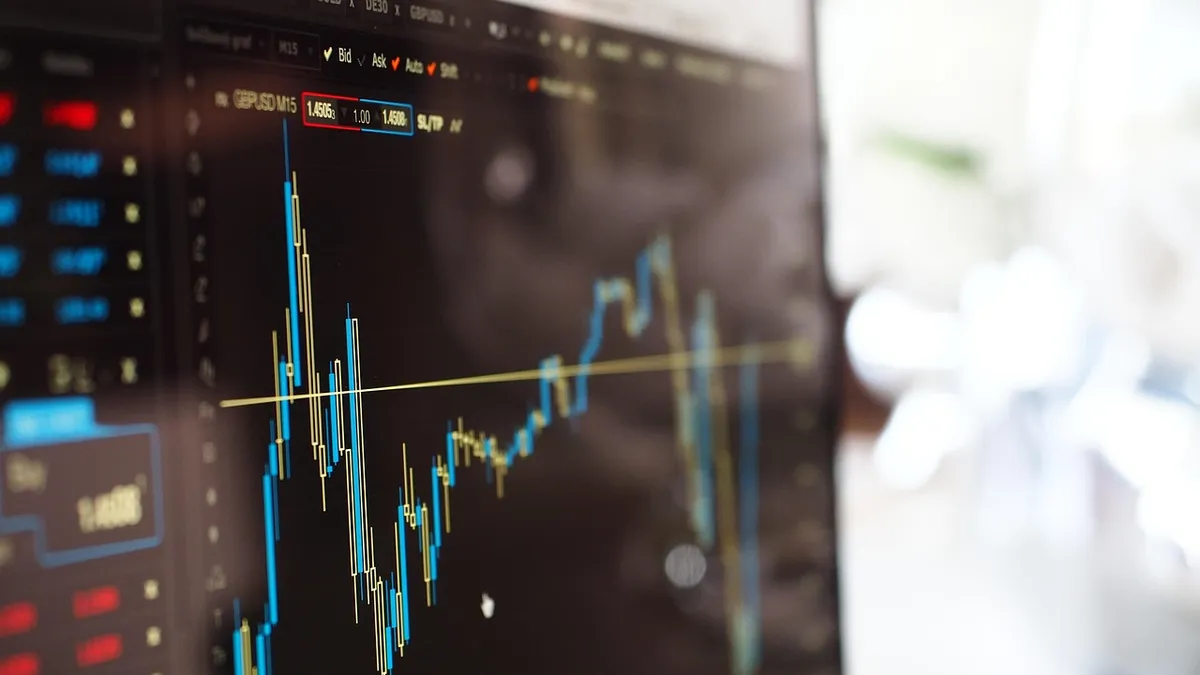
The essentials: A sell-off in technology shares that began on Wall Street on Thursday, November 5, 2026 spread to Asia and Europe on Friday, November 6. The FTSE 100 lost about 1.5% in early trading. Investors are dumping AI and chip stocks over fears that the Democrats’ midterm victory will slow the construction of data centres.
What happened on Wall Street?
The Nasdaq Composite fell 5.5% on Thursday. According to ABC News, it was the index’s steepest one-day drop since the “Liberation Day” tariff sell-off of April 2025. The S&P 500 lost 4.4% and the Dow Jones 3.4%. Investing.com says the Nasdaq closed more than 10% below its record of October 6, which confirms a technical correction.
Fear rose quickly. The VIX volatility index jumped 11.75 points to 28.36, ABC reports, its biggest intraday rise in more than 18 months.
Why are investors selling tech stocks?
The trigger is political. Democrats won big in the US midterm elections on Tuesday, November 3, including several governorships and states where local opposition to new data centres has grown fast, according to Investing.com. Investors now fear more regulation and slower building of the giant facilities that power artificial intelligence.
“The slowdown of the data centre build-out is the real key theme that’s going to stick,” Michael O’Rourke of JonesTrading told ABC News. Proactive also points to mounting concerns about the cost of AI investment and the returns it will bring.
The sell-off follows a strong run. Big tech groups have spent heavily on AI infrastructure this year, as Alphabet’s third-quarter results showed, and the midterms result changes the political backdrop for that spending. Our midterms results explainer covers who won what.
How hard were Asia and Europe hit?
Asian markets, home to the world’s biggest memory and chip makers, took the brunt on Friday.
| Market | Move | Source |
|---|---|---|
| Nasdaq Composite (Thursday) | -5.5% | ABC, Proactive |
| S&P 500 (Thursday) | -4.4% | ABC, Proactive |
| Nikkei 225 (Japan) | -6.2%, closed at 57,267 | Proactive |
| Kospi (South Korea) | down more than 8% at one point, trading halted | ABC |
| Taiwan | down more than 8% | ABC |
| ASX 200 (Australia) | -0.5%, closed at 9,020 | ABC |
| STOXX 600 (Europe) | -1.6%, worst day since July | Investing.com |
| DAX / CAC 40 / IBEX 35 | -1.7% / -1.4% / -1% | Investing.com |
| FTSE 100 | -1.6% to 10,605 in early trading | City AM |
European figures are early-session moves on November 6, 2026 and may change by the close.
Chipmakers fell hardest. According to ABC, Samsung Electronics lost nearly 10%, SK Hynix 11.7% and TSMC 8.5%. In South Korea, the Kospi’s plunge triggered a circuit breaker. Trading resumed later and the index then stood down 4.4%.
In London, the FTSE 100 opened flat at 10,784, then turned lower. By 8:15 am it had fallen to 10,623, Proactive reports. The index has fewer tech stocks than Wall Street, which helps explain its smaller fall. In Europe, chip equipment maker ASML and IT services group Capgemini were among the stocks under pressure, Investing.com says.
What about oil, gold and bitcoin?
Brent crude was trading just under $100 a barrel. City AM says oil is on course for a weekly loss of more than 11%, driven by hopes that the midterm result could speed up a resolution of the Middle East conflict. ABC noted a rebound of 1.4% to $99.67 during the Asian session.
Gold slipped towards $4,050 an ounce, and bitcoin fell towards $76,000, with more than $1 billion of leveraged positions liquidated, according to Proactive.
What happens next?
Before Friday, European stocks had outperformed. The STOXX 600 was up more than 10% this year, compared with just over 7% for the S&P 500, according to Investing.com. Investors will now watch whether the sell-off stays limited to AI and chip stocks or spreads to the wider market. They will also watch whether new state or federal measures on data centres actually follow the election.