Israel: Herzog picks Gadi Eisenkot over Netanyahu to form the next government. What happens now?
Backed by 67 of 120 lawmakers, Gadi Eisenkot receives the mandate on 8 November 2026. He has 28 days to build a coalition, without a clear majority.
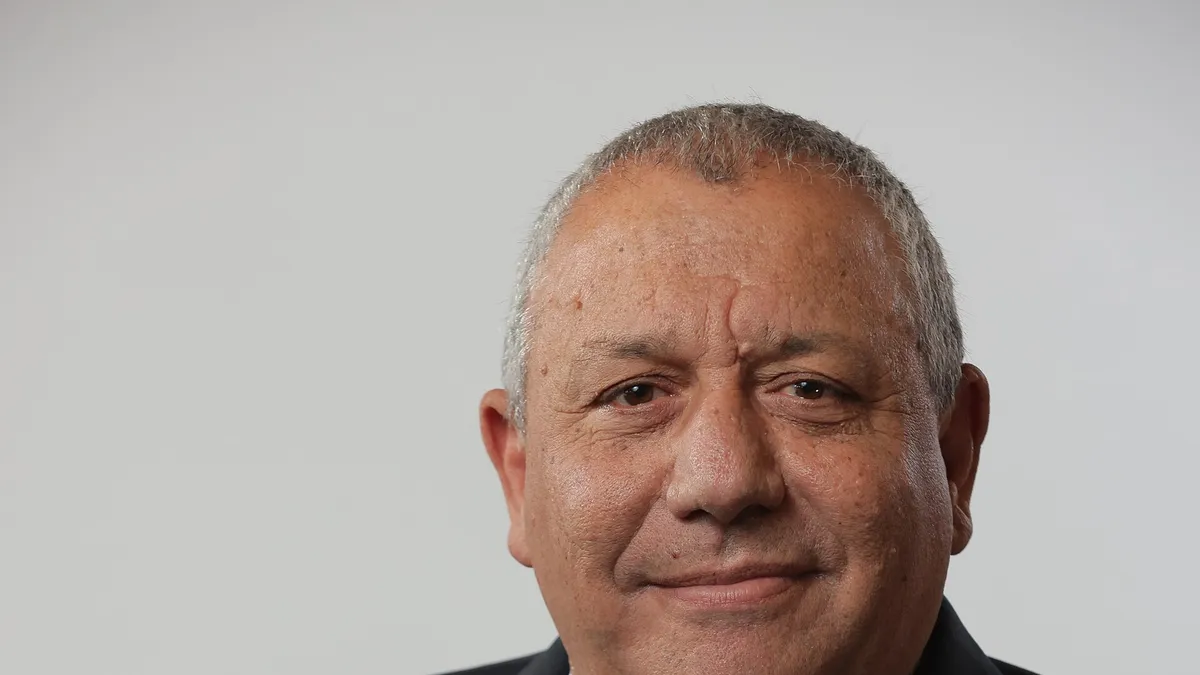
The essentials: Israeli President Isaac Herzog told former army chief Gadi Eisenkot on the evening of Saturday 7 November 2026 that he would task him with forming the next government, passing over Prime Minister Benjamin Netanyahu. Eisenkot, leader of the Yashar party, was recommended by 67 of the Knesset’s 120 members, against 46 for Netanyahu. The formal handover was scheduled for Sunday 8 November at 5 p.m. at the President’s Residence in Jerusalem. He then has 28 days to build a coalition, but no obvious majority.
Why did Herzog choose Eisenkot?
Because he received the most recommendations. After consulting every party elected on 27 October, Herzog counted 67 lawmakers backing Eisenkot, including the Arab-led parties, and 46 backing Netanyahu, according to The Times of Israel, Al Jazeera and Ynetnews. United Torah Judaism, an ultra-Orthodox party with seven seats, recommended no one, The Times of Israel reported. Herzog met Netanyahu before announcing his decision, Ynetnews said.
Does Eisenkot have a majority?
No. The 67 recommendations do not translate into a coalition, because Eisenkot has ruled out relying on the Arab-led parties, Ra’am and the Joint List, to govern.
| Bloc after the 27 October election | Seats |
|---|---|
| Netanyahu’s right-wing and religious bloc | 53 |
| Eisenkot’s four-party “change” bloc | 48 |
| Arab-led parties (a record) | 19 |
| Majority needed | 61 of 120 |
Sources: Al Jazeera, TRT World, The Times of Israel.
The most discussed route to 61 would add the two ultra-Orthodox parties to Eisenkot’s bloc: 48 plus United Torah Judaism (7) and Shas (6), according to The Times of Israel and Al Jazeera. That path is complicated. Many members of the change bloc campaigned to send both Netanyahu and the ultra-Orthodox parties into opposition, and Shas called reports that it would join “total fake news”, The Times of Israel said.
The Joint List’s Ahmad Tibi told Al Jazeera he expected a minority government supported from outside by Arab parties.
How has Netanyahu responded?
In a video released on Saturday, Netanyahu called for a “national unity government” that would include all of his previous allies, The Times of Israel reported. “There is only one choice, not national suicide, but national unity,” he said, according to Ynetnews. He also warned, as quoted by Al Jazeera, that a government relying on Arab parties would “dismantle the state of Israel from within”.
Eisenkot’s party rejected the offer. Yashar called the video “hysterical” and said Likud could join a coalition “without extremists”, but not Netanyahu himself, according to Ynetnews and The Times of Israel. Eisenkot wrote on X that “now is the time for the formation of a national emergency government”.
What is the timetable?
Under Israel’s Basic Law: The Government, the candidate has 28 days, which the president can extend by up to 14 days, all five sources agree.
| Step | What happens |
|---|---|
| 8 November 2026 | Formal handover of the mandate to Eisenkot (scheduled) |
| 28 days, plus up to 14 | Eisenkot tries to build a coalition |
| If he fails | Herzog has three days to name another lawmaker or tell the Speaker no government is possible |
| Second candidate | 28 days, with no extension |
| If that also fails | A majority of at least 61 lawmakers can ask for a specific candidate, who gets 14 days |
| Last resort | The Knesset is dissolved and a new election is held |
Procedure as described by The Jerusalem Post. Netanyahu remains in office as caretaker prime minister meanwhile, according to Al Jazeera.
Why does it matter?
Netanyahu’s bloc won the most seats on 27 October, but not enough lawmakers recommended him. For Eisenkot, the coming four weeks will show whether a government without Netanyahu and without the Arab parties is arithmetically possible, or whether Israel heads towards a minority government or another election.