Trump on 60 Minutes: deportations 'might be too tough', midterm defeat blamed on the war
In his first interview since the midterms, aired on 8 November 2026, Trump said his deportation policy might be too tough and blamed the Iran war for defeat.
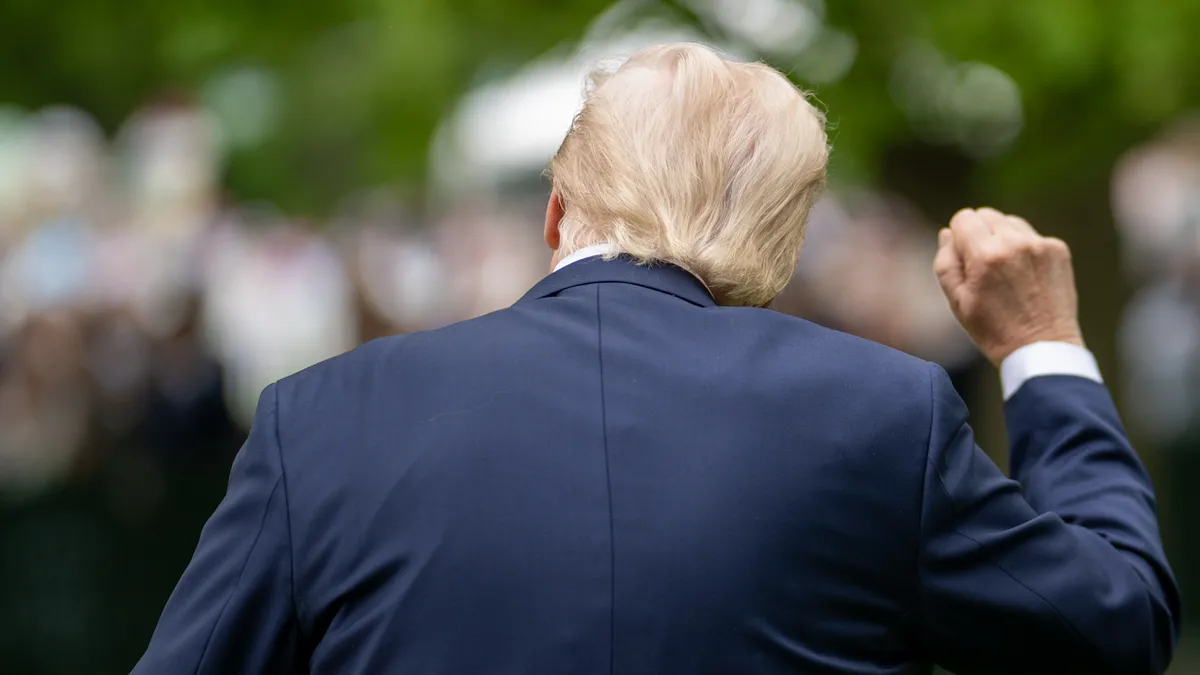
The essentials: In his first sit-down interview since Republicans’ heavy losses in the 3 November midterm elections, President Donald Trump told CBS’s 60 Minutes that his deportation policy “might be too tough” and blamed the defeat on the war with Iran and rising petrol prices. The interview, conducted by correspondent Ross Douthat at the White House on Friday 6 November, aired on Sunday 8 November 2026. Trump also said he would issue many pardons, hinted at Cabinet changes and would not commit to endorsing a 2028 successor.
Why does Trump say Republicans lost?
According to CBS News, Republicans lost more than 40 House seats and at least seven Senate seats on 3 November, with some races still uncalled. Asked why, Trump began: “Well, number one, I was not on the ballot.” He then pointed to the war with Iran and fuel costs: “They didn’t like the war. They didn’t like the fact that gasoline went up, ’cause I had it down at a low,” according to the CBS transcript.
He took little personal blame, but did concede a communication problem on the economy: “I think it was bad messaging, maybe by me, but I would talk about it all the time.” He also suggested that some of his supporters simply stayed at home: “I think they didn’t vote, really.”
CBS exit polling cited by the network found that about 63% of midterm voters disapproved of his job performance. For background on the results, see our article on the 2026 midterm results.
What did he say about deportations?
This was the most notable shift. Asked whether his immigration enforcement had gone too far, Trump answered: “I think it might be too tough, yeah,” according to the CBS transcript. He drew a distinction between two groups: “I get very high marks for getting the bad ones out,” he said, adding that he got “hurt because we also took people that had good jobs” and whose only violation was entering the country illegally.
He said he would be open to a deal with congressional Democrats on immigration: “I think that’s something that’s actually doable,” adding that “people have already called me.” According to The Washington Post, he described a compromise that would give some legal status to undocumented immigrants who work and pay taxes. CBS notes that the year before, he had pressed Immigration and Customs Enforcement to carry out at least 3,000 arrests a day.
The comments came a few hours before he named Stephen Miller, widely seen as the architect of his immigration crackdown, as his new chief of staff (our article).
What else did the interview cover?
| Topic | What Trump said (according to CBS) |
|---|---|
| Iran | He would launch the war again and believes Iran was close to a deal, but said the election result “gives them a little bit of a hope certificate now.” |
| Pardons | He intends to issue “tremendous numbers of pardons” and said pardoning himself was “certainly not unreasonable.” |
| Cabinet | Asked whether he would fire anyone: “I do. Yeah. Little bit.” He said he still had confidence in Defense Secretary Pete Hegseth. |
| 2028 | Asked whether he would endorse a successor: “Probably. Not necessarily.” He praised Secretary of State Marco Rubio. |
| Enemies | Asked if he could forgive his political foes, he said no, “because I do hate some of my enemies and always will.” |
On the 2028 race, he added: “Maybe I’m better off not getting involved.” According to CBS, Vice President JD Vance and Rubio are both widely seen as possible heirs. The Washington Post reports that Trump named former FBI director James Comey and former House Speaker Nancy Pelosi among the enemies he could not forgive.
What happens next?
The new Congress, in which Democrats will control both the House and the Senate, will be sworn in in January 2027. Until then, Trump’s comments on immigration will be tested by his own team: Miller takes over as chief of staff on Monday 9 November. The Washington Post says Trump has been torn between unpopular deportation policies and pressure from hardliners in his camp. Any compromise on legal status would need votes in Congress, where newly empowered Democrats are also planning investigations into his administration.