
Russian trawlers linked to 500 incidents above UK undersea cables
Tracking data links 17 Russian fishing vessels to more than 500 incidents above North Atlantic cables, as MPs warn of Royal Navy capability gaps.
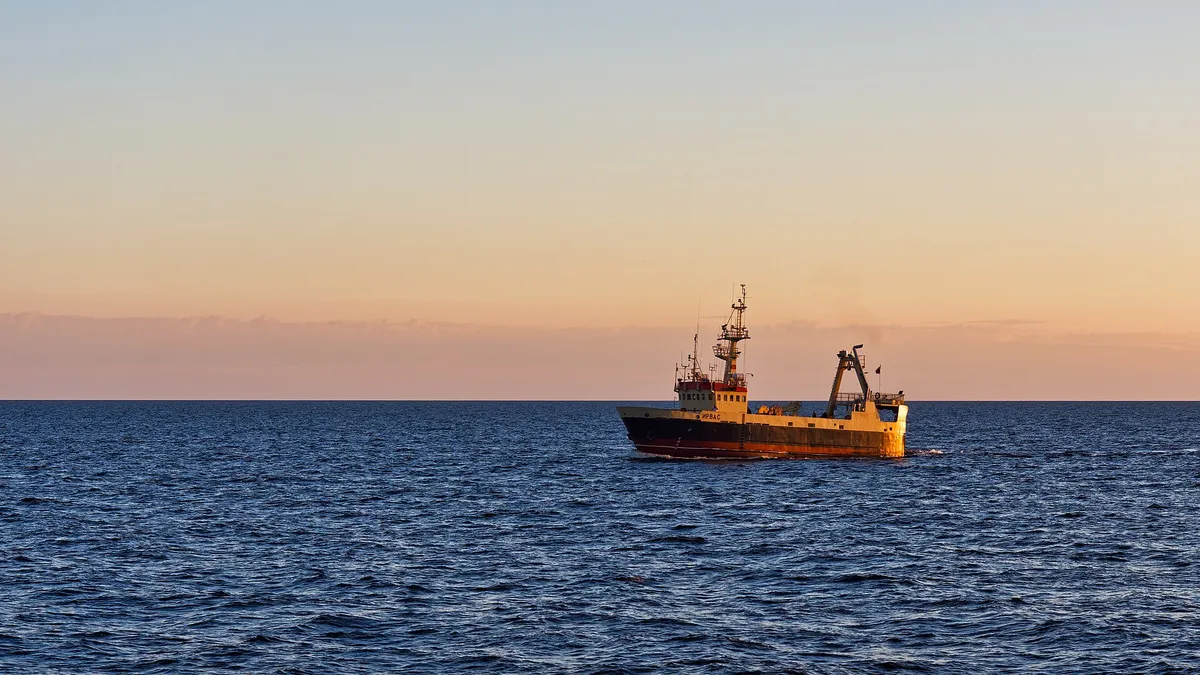
The essentials: Seventeen Russian fishing trawlers have been linked to more than 500 incidents in which they loitered above, or followed the routes of, undersea communications cables connecting Britain with Europe and the United States. The findings come from an analysis by The Telegraph, published on October 21, 2026, of about four and a half years of ship-tracking data. They do not prove any sabotage, but they arrive as British MPs warn that the Royal Navy lacks the ships and submarines to watch over these waters.
What did the investigation find?
The Telegraph compared vessel positions recorded since 2021 by Global Fishing Watch, a public ship-tracking platform, with nautical charts showing where cables lie on the seabed. It identified 17 Russian trawlers that repeatedly spent long periods at low speed above cable routes, or followed them over long distances.
| Case | What the tracking data shows |
|---|---|
| Atlantic Crossing 1, north of Scotland | 337 hours spent near the cable, including 322 hours in April 2023 alone |
| One trawler, nine cables | 113 hours near nine different cables linking Western Europe and the United States, over about four years |
| Hibernia Express | In February 2025, a vessel crossed it repeatedly, once spending 42 minutes near the cable at under two knots |
Sources: The Telegraph’s analysis, as reported by Baird Maritime and The Maritime Executive.
Why would a fishing boat linger above a cable?
Naval personnel consulted by the newspaper said such slow manoeuvres “could suit sonar surveying or the deployment of underwater vehicles operated remotely”, according to Baird Maritime. The Maritime Executive reports the concern that precisely mapping cable routes could later allow unmanned underwater vehicles to cut cables or interfere with them.
The data shows movements, not intentions. No act of sabotage has been established, and no Russian response was reported in the coverage reviewed.
How has the UK government responded?
“We are clear-eyed about the threat Russia poses,” a Ministry of Defence spokesperson told LBC. The ministry pointed to £1.5 billion committed to its “Atlantic Bastion” programme and a further £330 million to protect critical undersea infrastructure.
Is the Royal Navy equipped to respond?
A report by the House of Commons Defence Committee, covered on October 22 by the French defence site Zone Militaire, points to serious capability gaps in the High North:
- the 2010 defence review set a target of 19 frigates and destroyers, but only 11 are available today;
- five anti-submarine Type 23 frigates remain after HMS Richmond and HMS Iron Duke were retired this year, and the committee says at least three more are needed;
- none of the five Astute-class attack submarines in service is certified to operate under the ice.
The UK needs “19 frigates and destroyers just to keep pace but at the moment we are at a mere 11”, the committee’s chair, Tan Dhesi, told LBC.
Why it matters
Undersea cables carry the internet and telephone traffic that links Britain to continental Europe and North America. The Telegraph’s findings do not show what the trawlers were doing, but they add to the pressure on London to monitor its seabed more closely, at a time when its navy says it is stretched.
This article was prepared with the help of AI tools from the sources listed above, then reviewed by our editors before publication. Read our editorial policy